
PANEL: The role of the tech sector in Cyber Conflict
This panel will explore the evolving role of the tech sector in cyber conflict, increasingly supplementing key state functions in ensuring the security and resilience of vital assets and democratic principles. Speakers will discuss the need for private-public collaboration in this joint endeavor, the challenges that companies face, and the actions governments should take to increase the tech sector's effective impact in modern cyber warfare.
Wed Nov 20 / 11:40 - 12:30 CEST
THE ROLE OF THE TECH SECTOR IN CYBER CONFLICT
Nina Hyvärinen
CEO and Founder, NHM Global Oy
Nina Hyvärinen is a seasoned expert in EU affairs and security and technology policy. She has experience in the public sector (Cabinet of European Commissioner, Prime Minister’s Office) and the private sector (e.g., F-Secure). Past years Ms. Hyvärinen has focused on security and technology (including cyber security, AI and mobile communications). She has her own consulting company, NMH Global, and she is a Senior Advisor at Rud Pedersen Public Affairs and Senior Advisor at Aalto University, Center for Knowledge and Innovation Research.
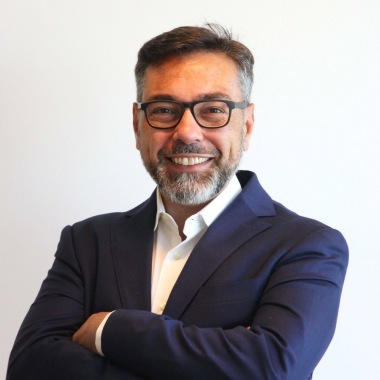
Roberto Cascella
CTO of ECSO
Roberto Cascella works as Chief Technology Officer at the European Cyber Security Organisation (ECSO). He also coordinates the two technical ECSO WGs with a high impact on the European cybersecurity strategy focused on the definition of the cybersecurity R&I roadmap for trusted and resilient technologies, and the establishment of trusted supply chains at EU level. He represents ECSO in different committees, including the SCCG established under the Cybersecurity Act.Roberto serves as Project Coordinator of the European Cybersecurity Community Support project (ECCO) that received funding from DEP to support the activities necessary to develop, promote, coordinate and organise the work of the Cybersecurity Competence Community at European Level, within the scope and operations of the ECCC and National Coordination Centres Network.
Roberto holds a Ph.D. (2007) in ICT from University of Trento, an M.Sc. in Telecommunication engineering from Politecnico di Torino and KTH Stockholm.
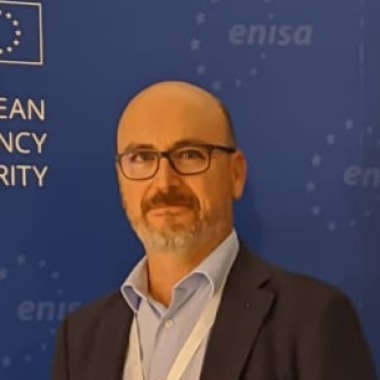
Jose Carlos Delgado
Policy Officer, EEAS
Jose Carlos Delgado is part of the Hybrid and Cyber Division of the External Action Service (EEAS) as Policy Officer since September 2024. Before joining EEAS, he was the Cyber attaché and delegate to the Horizontal Working Party for Cyber Issues of the Council (HWPCI) for the Spanish Permanent Representation to the European Union. As part of that role, he led negotiations representing Spain at attaché level, including chairing the HWPCI during the Spanish presidency of the Council in 2023. During this time, he contributed to important EU achievements in Cybersecurity files, such as NIS2 Directive, CyberSolidarity Act or Cyber Resilience Act (CRA) and also tothe development and implementation of the Cyber Diplomacy Toolbox (CDT). Jose Carlos is a Computer Systems Engineer and Cryptology Specialist with over 30 years of experience in Public Administration, focusing on Communications, ICT Security and Cybersecurity. He also holds abachelor's degree in Social and Cultural Anthropology.
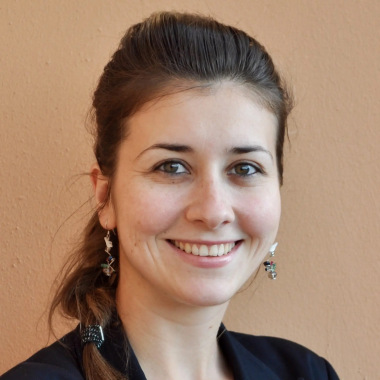
Naďa Kovalčíková
Senior Analyst, EUISS
Dr. Nad’a Kovalčíková is a Senior Analyst in charge of the Transnational Security portfolio at the EU Institute for Security Studies (EUISS) and a project Director of the multi-million, EU-funded initiative “Countering Foreign Interference (CFI). A project to strengthen EU CSDP capacities against foreign information manipulation and interference (FIMI)”. She is a member of the ESPAS foresight Steering Group; a member of the Advisory Board for the TEPSA project Raising Awareness on Disinformation, Achieving Resilience (RADAR); a mentor within the innovative network of Harvard Women in Defense, Diplomacy, and Development; an expert collaborator for Minsait’s Ideas for Democracy. She is a 2019 awardee and currently also a member of the Steering Committee of Women In International Security. Dr. Kovalčíková holds her PhD in Security threats of globalisation in the beginning of 21st century. One of her most recent publications includes a Chaillot book on Hacking Minds and Machines: foreign interference in the digital era.

Julia Schuetze
Founder of Cyber Policy Haus
Julia Schuetze is the founder of Cyber Policy Haus and a seasoned facilitator and cyber policy analyst based from Gent, Belgium. She serves as an external affiliate researcher at the Center for Cyber Strategy and Policy at the University of Cincinnati. As the Project Director for Cybersecurity Policy and Resilience at Berlin-based think tank Stiftung Neue Verantwortung (now Interface), she managed international, multi-stakeholder projects funded by the Hewlett Foundation, the European Commission, the German Foreign Office, the Federal Office for Information Security, Konrad Adenauer Foundation and the GIZ focusing on EU Cyber Diplomacy, international mutual assistance, election security, security of cities and cybersecurity incident response exercises. Her analysis has been featured in news outlets such as ARD, NPR, WiWo, Der Tagesspiegel, F.A.Z., and the BBC. She has served as an advisor and expert witness to esteemed institutions, including the German parliament, the U.S. Congressional Cybersecurity Caucus, and the Federal Office for Information Security (BSI) Digital Consumer Protection Board.
More presentations from Julia Schuetze:
CYBER CAPACITY BUILDING: BRIDGING THE RESILIENCE GAP
Join us at EECD Brussels
Discover the latest trends in cybersecurity and network with industry experts.
Learn more